
So you're thinking about taking the CCRN exam. Maybe you've been working in the ICU for a couple years now and you're ready to validate your expertise. Or perhaps your hospital offers a pay bump for certified nurses. Either way, CCRN exam preparation can feel overwhelming - there's just so much content to cover.
Here's the thing though. You already know a lot of this stuff. You're living it every shift. The challenge isn't learning critical care from scratch - it's organizing what you know and filling in the gaps. And honestly? With the right approach, most nurses pass the CCRN on their first attempt.
This guide walks you through everything you need to know about CCRN exam preparation in 2026. We'll cover the exam format, eligibility requirements, proven study strategies, and the most effective resources. Whether you've got 8 weeks or 12 weeks to prepare, you'll find a realistic study plan that actually works for busy ICU nurses.
Ready to earn those four letters after your name? Let's dig in.
What is the CCRN Exam?
The CCRN (Critical Care Registered Nurse) certification is offered by the American Association of Critical-Care Nurses (AACN). It's the gold standard credential for nurses working with acutely and critically ill adult patients.
Unlike your NCLEX - which tested entry-level nursing knowledge - the CCRN exam validates your specialized expertise in critical care. It tells employers, colleagues, and patients that you've demonstrated mastery of the complex nursing skills required in high-acuity settings.
Here's what certification gets you: professional recognition, often a salary increase (many hospitals pay $1-3 more per hour for certified nurses), enhanced career opportunities, and personal satisfaction knowing you've met a rigorous standard. Some Magnet hospitals actually require critical care nurses to be certified within a certain timeframe.
CCRN Exam Format and Structure
Understanding the CCRN exam format is essential for effective CCRN exam preparation. You don't want any surprises on test day.
Exam Basics
- Total questions: 150 multiple choice
- Scored questions: 125 (25 are unscored pretest items)
- Time limit: 3 hours
- Format: Computer-based testing at Pearson VUE centers
- Passing standard: Criterion-referenced (no fixed percentage)
The 25 pretest questions are scattered throughout the exam and don't count toward your score - AACN uses them to validate new questions. You won't know which ones they are, so treat every question seriously.
Question Style
CCRN questions are different from what you might remember from nursing school. They're heavily scenario-based and test clinical judgment, not just factual recall. You'll see patient situations with:
- Vital signs and hemodynamic data to interpret
- Lab values requiring analysis
- ECG rhythms to identify
- Ventilator settings to evaluate
- Multiple nursing actions to prioritize
The good news? This is exactly what you do every day in the ICU. Your clinical experience is your best asset for CCRN exam preparation.
CCRN Eligibility Requirements
Before starting your CCRN exam preparation, make sure you meet the eligibility requirements. There's nothing worse than studying for months only to discover you can't sit for the exam yet.
License Requirements
You must hold a current, unencumbered RN or APRN license in the United States or Canada (or equivalent in other countries). No exceptions here.
Clinical Practice Hours
This is where most eligibility questions come up. AACN requires:
- Total hours: 1,750 hours of direct care of acutely/critically ill adult patients within the past 2 years
- Recent hours: At least 875 of those hours must be within the most recent year before applying
- Direct care: Hands-on nursing care, not supervision, education, or administrative work
What counts as qualifying clinical hours? ICU, CICU, MICU, SICU, CCU, PACU (if caring for critically ill patients), and progressive care units with acutely ill patients. ED hours may count if you're providing critical care level nursing.
If you're not sure whether your hours qualify, contact AACN directly before investing in CCRN exam preparation. They're helpful and can clarify borderline situations.
Proven CCRN Study Strategies
Let me be real with you - CCRN exam preparation isn't about memorizing a textbook. It's about reinforcing and organizing knowledge you've already built through clinical experience, then filling in gaps. Here's what actually works.
Start with a Baseline Assessment
Before opening any study guide, take a full practice exam. Yes, you'll probably bomb it. That's the point. Your score shows you exactly where to focus. If you're scoring 85% on cardiovascular but 45% on endocrine, guess where you need to spend your time?
Many candidates skip this step because it's uncomfortable. But studying what you already know well is a waste of time. Be strategic - identify weaknesses early.
Use Active Study Methods
Passive reading doesn't work for complex clinical content. Instead:
- Practice questions daily: This is non-negotiable. Aim for at least 50 questions per day once you finish initial content review.
- Explain concepts out loud: If you can't teach it to a new grad, you don't understand it well enough.
- Draw pathophysiology: Map out disease processes visually - it helps with retention and shows connections.
- Apply at work: Use your study material in real patient care. Managing a post-CABG patient? Review CCRN content on cardiac surgery that night.
Study Rationales, Not Just Answers
This might be the most important CCRN exam preparation tip: every practice question teaches you something, whether you get it right or wrong. Always read the full rationale. Understand why the correct answer is correct AND why the other options are wrong.
Connect Content to Clinical Practice
Your ICU experience is your secret weapon. When studying a concept, think about patients you've actually cared for. How did that DKA patient present? What did the cardiogenic shock case look like? This contextual learning is incredibly powerful for retention.
If you've been away from bedside nursing or need targeted preparation help, our CCRN exam assistance services can provide the focused support you need to pass.
CCRN Content Areas Breakdown
The CCRN exam covers eight major content areas. Understanding the weighting helps you prioritize your CCRN exam preparation. Here's the official breakdown:
Cardiovascular (17%)
The heaviest section. You need to know dysrhythmia interpretation, hemodynamic monitoring and waveform analysis, acute coronary syndromes, heart failure management, cardiogenic shock, cardiac surgery complications, and vasoactive medications. Don't skimp here - this is where many candidates win or lose.
Respiratory (15%)
Mechanical ventilation is huge - modes, settings, weaning criteria, complications. Also expect questions on ARDS, acute respiratory failure, pulmonary embolism, pneumothorax, and chest tube management. ABG interpretation comes up frequently.
Neurological (12%)
Stroke assessment and intervention, traumatic brain injury, intracranial pressure management, seizures, and neuro assessment tools (GCS, NIHSS). Know your brain anatomy and which deficits correlate with which lesions.
Other Systems
- Renal (6%): Acute kidney injury, electrolyte imbalances, dialysis modalities, fluid management
- Gastrointestinal (6%): GI bleeding, liver failure, pancreatitis, nutrition support
- Endocrine (5%): DKA, HHS, thyroid emergencies, adrenal crisis
- Multisystem (14%): Sepsis, SIRS, MODS, shock states, burns, trauma
- Behavioral/Psychosocial (4%): Delirium, end of life care, family dynamics, substance withdrawal
Professional caring and ethical practice questions (~21%) are woven throughout all sections. These cover patient advocacy, communication, cultural considerations, and ethical decision-making.
CCRN Study Plan Timeline
Here's a realistic CCRN study plan for busy ICU nurses. Adjust based on your baseline knowledge and available time.
10-Week Study Plan
Weeks 1-2: Foundation and Assessment
- Take a full baseline practice exam
- Analyze results to identify weak areas
- Begin cardiovascular content review
- 25-50 practice questions daily
Weeks 3-4: High-Weight Content
- Complete cardiovascular review
- Begin respiratory content
- 50-75 practice questions daily
- Focus on hemodynamics and ventilator management
Weeks 5-6: Neurological and Multisystem
- Complete respiratory review
- Cover neurological content
- Begin multisystem (sepsis, shock)
- 75-100 practice questions daily
Weeks 7-8: Remaining Systems
- Cover renal, GI, and endocrine
- Complete multisystem content
- Address behavioral/psychosocial topics
- 100+ practice questions daily
Weeks 9-10: Practice Exam Focus
- Shift to 80% practice questions, 20% content review
- Take 2-3 full practice exams
- Target identified weak areas
- Light review only in final 3 days - don't cram
This schedule assumes 1.5-2 hours of study time daily. If you can only manage 1 hour daily, extend to 12-14 weeks. The key is consistency - studying every day beats marathon weekend sessions.
Best Practice Questions and Resources
The right resources make a huge difference in CCRN exam preparation. Here's what successful candidates actually use.
Top Study Guides
- Pass CCRN by Robin Dennison: The go-to resource for most candidates. Comprehensive content with hundreds of practice questions and rationales. Worth every penny.
- AACN Essentials of Critical Care Nursing: The official reference from the organization that makes the test. Dense but authoritative.
- Barron's CCRN Exam: Good for content overview and includes practice tests. More affordable option.
- Laura Gasparis CCRN Review: Video-based learning that many visual/auditory learners prefer.
Question Banks
- Pass CCRN Question Bank: Matches the book and offers solid practice.
- AACN Practice Exams: The most realistic practice since it's from the source. Take at least one before your actual exam.
- Pocket Prep CCRN App: Good for on-the-go studying with brief rationales.
If you're looking for additional support beyond self-study, our nursing exam tutoring services can help you work through challenging content and develop effective test-taking strategies.
Test Day Strategies
All that CCRN exam preparation leads to this moment. Here's how to perform your best when it counts.
The Night Before
- Light review only: Quick scan of notes, maybe 50 easy questions. No new content.
- Sleep 7-8 hours: Your brain consolidates learning during sleep. Don't sacrifice it.
- Prepare everything: Lay out your ID, test center confirmation, comfortable clothes.
- Avoid alcohol: Even one drink can affect sleep quality and next-day cognition.
Morning of the Exam
- Eat protein and complex carbs: Eggs, oatmeal, fruit. Avoid sugar crashes.
- Moderate caffeine: If you normally drink coffee, drink your usual amount. Don't overdo it.
- Arrive early: 30 minutes before your scheduled time. Rush = stress.
- Use the bathroom: You can take breaks during the test, but the clock keeps running.
During the Exam
- Read questions completely: Don't assume you know what it's asking. Read every word.
- Eliminate wrong answers: Cross out obviously incorrect options, then choose from what's left.
- Don't change answers: Unless you have a clear reason. First instinct is usually right.
- Flag and move: If stuck, flag the question and come back. Don't waste 5 minutes on one question.
- Take breaks if needed: A 5-minute mental reset can prevent fatigue-related errors.
Common Mistakes to Avoid
These are the pitfalls we see repeatedly in CCRN exam preparation. Avoid them and you're already ahead.
Mistake #1: Starting Too Late
Two weeks isn't enough, even for experienced ICU nurses. You need time to systematically cover content and do enough practice questions. Start at least 8 weeks out, ideally 10-12.
Mistake #2: Reading Without Practicing
Reading your study guide cover to cover feels productive but doesn't prepare you for exam questions. Start doing practice questions from week one, even before you've reviewed all content. Learn to apply knowledge immediately.
Mistake #3: Ignoring Weak Areas
It's comfortable to review topics you know well. It's also useless. Identify your weak areas early and spend disproportionate time on them. That's where you'll gain points.
Mistake #4: Using Too Many Resources
Jumping between 5 different books creates confusion and wastes time. Pick 2-3 quality resources and stick with them. One for content, one for questions, maybe one for quick reference.
Mistake #5: Neglecting Self-Care
You're already working demanding ICU shifts. Adding intense studying on top without sleep, exercise, and downtime leads to burnout. You can't pour from an empty cup - take care of yourself during the CCRN exam preparation period.
CCRN exam preparation is a marathon, not a sprint. But with consistent effort, the right resources, and smart study strategies, you absolutely can pass on your first attempt. Your ICU experience has already taught you so much - this is about organizing that knowledge and filling in gaps.
Start today. Take that baseline assessment. Make your study schedule. And in a few months, you'll have those four letters after your name - proof that you've mastered critical care nursing.
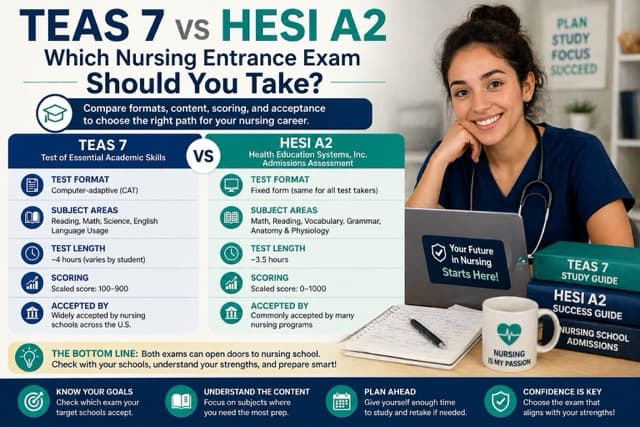
For more nursing exam preparation strategies, check out our comprehensive nursing exam preparation guide or explore our HESI A2 study tips and TEAS exam study guide.
Frequently Asked Questions
How many questions do you need to pass the CCRN exam?
The CCRN exam uses scaled scoring, so there's no fixed number of correct answers needed to pass. The passing score is determined by a criterion-referenced standard set by the AACN. Generally, candidates who score around 70-75% on quality practice exams tend to pass. The exam has 150 questions total, with 125 scored and 25 unscored pretest items - you won't know which are which. Focus on understanding concepts deeply rather than targeting a specific number.
How long should you study for the CCRN exam?
Most successful candidates study for 8-12 weeks, dedicating 10-15 hours per week. If you're currently working in a busy ICU and seeing a variety of patients, you may need less time since you're applying knowledge daily. If you've been away from bedside critical care or work in a specialty ICU with limited exposure, plan for 12-16 weeks. The key is consistency - studying 2 hours daily beats cramming 10 hours on weekends.
What is the CCRN exam pass rate?
The CCRN pass rate for first-time test takers is approximately 80-85% according to AACN data. This relatively high pass rate reflects that candidates have significant clinical experience requirements before taking the exam. Repeat test takers have lower pass rates, around 60-65%, which emphasizes the importance of thorough preparation before your first attempt. With proper CCRN exam preparation using quality study materials, you can join the majority who pass.
What is the best CCRN study guide?
The most recommended CCRN study guides include: Pass CCRN by Robin Dennison (comprehensive content review with practice questions), Barron's CCRN Exam (good for content overview and practice tests), and the AACN Essentials of Critical Care Nursing (the 'gold standard' reference). For questions, Pass CCRN and the AACN's own practice exams are highly rated. Many successful candidates use a combination - one for content review and another for practice questions.
Is the CCRN exam difficult?
The CCRN exam is challenging but absolutely passable with proper preparation. It tests application of critical care knowledge, not just memorization. You'll face complex patient scenarios requiring prioritization and clinical judgment. What makes it difficult: the breadth of content (cardiovascular, respiratory, neuro, renal, GI, endocrine, multisystem, and behavioral), the clinical application focus, and the 3-hour time pressure. What makes it manageable: your ICU experience already prepared you, and the content reflects real nursing practice.
What topics are most important for the CCRN exam?
Cardiovascular is the heaviest weighted section at about 17% of the exam - know your dysrhythmias, hemodynamics, and cardiac interventions cold. Respiratory comes next at 15% - mechanical ventilation, ARDS, and respiratory failure are key. Neurological (12%) focuses on stroke, traumatic brain injury, and ICP management. Don't neglect the smaller sections though - questions from renal, GI, endocrine, and multisystem can add up quickly. Behavioral/psychosocial is often overlooked but accounts for about 4% of questions.
How do I create a CCRN study schedule?
Start by assessing your current knowledge with a practice test - this identifies weak areas to prioritize. For a 10-week plan: Weeks 1-3 focus on cardiovascular and respiratory (the biggest sections). Weeks 4-6 cover neuro, renal, and GI systems. Weeks 7-8 tackle endocrine, multisystem, and behavioral content. Weeks 9-10 shift to practice questions only (100+ daily) and review weak areas. Study in focused 1-2 hour blocks, and always end sessions with practice questions to reinforce learning.
What are the CCRN eligibility requirements?
To take the CCRN Adult exam, you need: (1) Current, unencumbered RN or APRN license in the US, Canada, or equivalent. (2) Clinical practice requirement: 1,750 hours in direct care of acutely/critically ill adult patients within the past 2 years, with 875 of those hours in the most recent year. Direct care means hands-on nursing - not supervision, education, or administration. (3) There's no specific education requirement beyond RN licensure. Clinical hours can be from ICU, CCU, PACU, telemetry with critically ill patients, or progressive care units.
Should I use multiple CCRN study resources?
Yes, using 2-3 complementary resources is the most effective approach. Most successful candidates use: (1) One comprehensive content review book for systematic studying. (2) One question bank for practice (at least 1,000 questions). (3) The AACN practice exam for a realistic test experience. Avoid using too many resources though - jumping between 5-6 books creates confusion and wastes time. Pick your core resources and stick with them. Quality over quantity applies to study materials.
How are CCRN questions structured?
CCRN questions are primarily multiple-choice with four answer options. You'll encounter scenario-based questions presenting patient situations requiring nursing judgment. Questions test application, not just recall - expect 'What should the nurse do first?' and 'Which finding requires immediate intervention?' formats. Some questions include lab values, hemodynamic data, or ECG strips to interpret. Unlike NCLEX, there are no select-all-that-apply questions on the CCRN - each question has one correct answer.
What's the difference between CCRN Adult and other CCRN certifications?
AACN offers three CCRN certifications: CCRN-Adult (for nurses caring for patients 18 and older in critical care), CCRN-Pediatric (for pediatric ICU patients from infancy through adolescence), and CCRN-Neonatal (for neonatal ICU patients). There's also CCRN-K for nurses in non-direct care roles like educators or managers. The exams have different content focus areas appropriate to their populations. CCRN-Adult is the most commonly taken certification and focuses on adult pathophysiology and critical care interventions.
Can I retake the CCRN exam if I fail?
Yes, you can retake the CCRN exam if you don't pass. You must wait 90 days before your next attempt and pay the exam fee again ($270 for AACN members, $395 for non-members as of 2025). There's no limit to the number of retakes. After a failed attempt, you'll receive a score report showing your performance by content area - use this to focus your studying before retaking. Many nurses who don't pass on the first try succeed on subsequent attempts with targeted preparation.